
descriptionTổng quan
The Shang Dynasty or Yin Dynasty, according to traditional historiography, ruled in the Yellow River valley in the second millennium BC. Archaeological work at the Ruins of Yin (near modern-day Anyang), which has been identified as the last Shang capital, uncovered eleven major Yin royal tombs and the foundations of palaces and ritual sites, containing weapons of war and remains from both animal and human sacrifices.
The Tomb of Fu Hao is an archaeological site at Yinxu, the ruins of the ancient Shang Dynasty capital Yin, within the modern city of Anyang in Henan Province, China. Discovered in 1976, it was identified as the final resting place of the queen and military general Fu Hao. The artefacts unearthed within the grave included jade objects, bone objects, bronze objects and other artifacts.. These grave goods are confirmed by the oracle texts, which constitute almost all of the first-hand written records we possess of the Shang Dynasty. Below the corpse was a small pit holding the remains of six sacrificial dogs and along the edge lay the skeletons of human slaves, evidence of human sacrifice.
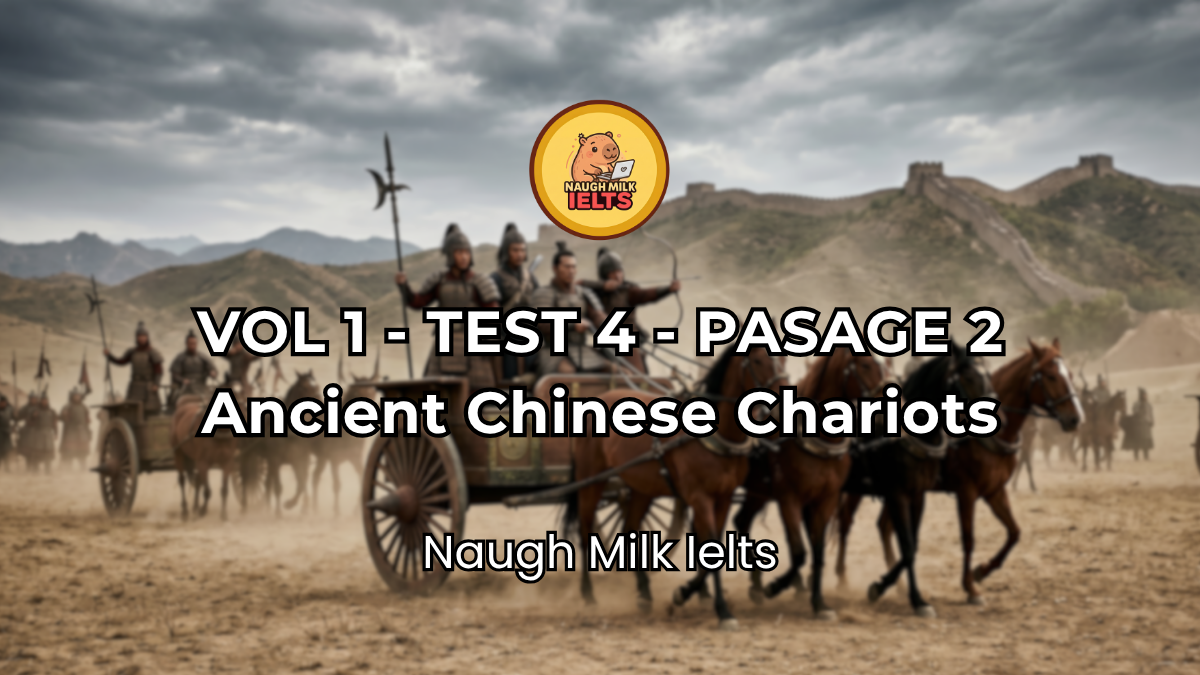
The Terracotta Army was discovered on 29 March 1974 to the east of Xi'an in Shaanxi. The terracotta soldiers were accidentally discovered when a group of local farmers was digging a well during a drought around 1.6 km (1 mile) east of the Qin Emperor's tomb around Mount Li (Lishan), a region riddled with underground springs and watercourses. Experts currently place the entire number of soldiers at 8,000 - with 130 chariots (130 cm long), 530 horses and 150 cavalry horses helping to ward off any dangers in the afterlife. In contrast, the burial of Tutankhamun yielded six complete but dismantled chariots of unparalleled richness and sophistication. Each was designed for two people (90 cm long) and had its axle sawn through to enable it to be brought along the narrow corridor into the tomb.
categoryCác dạng câu hỏi
Chưa có thông tin về các dạng câu hỏi